
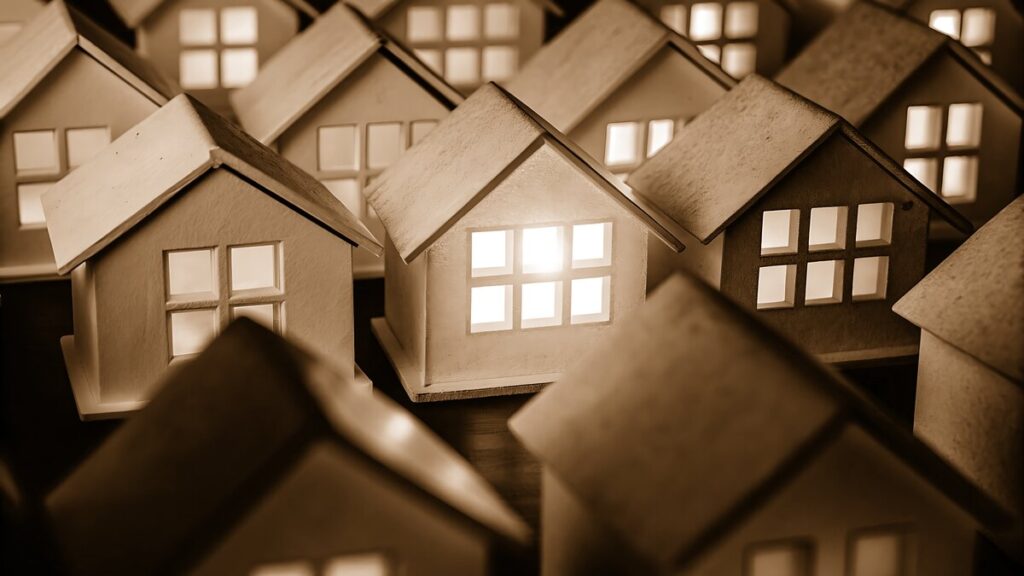
Nestled just east of downtown San Diego, the neighborhood of Sherman Heights boasts a history as vibrant and enduring as the iconic Victorian homes that line its streets. A melting pot of cultures and traditions, Sherman Heights is more than just a residential enclave—it’s a living testament to San Diego’s evolution. As a longtime resident, I’m always eager to share why this community, with its canopied streets and welcoming spirit, has a legacy worth celebrating.
The Origins: Laying The Foundation
Sherman Heights traces its beginnings to the 1860s and 1870s, a transformative era for San Diego. As the population began to swell, real estate developers recognized the potential of areas just beyond the city’s original core. One such visionary was Matthew Sherman, a retired Navy lieutenant and Mexican-American War veteran who purchased land on the city's eastern edge in 1867.
Sherman, inspired by the promise of westward expansion, began to subdivide his property by 1869, creating one of San Diego’s very first residential tracts outside the Old Town and downtown areas. The neighborhood, naturally, took on his name and would soon carve its own identity within San Diego’s patchwork of communities.
How Sherman Heights Got Its Name
Matthew Sherman envisioned a picturesque neighborhood on the hill—elevated both geographically and in spirit. His personal investment and unwavering advocacy for the area led to its christening as Sherman Heights. Unlike some neighborhoods named by external developers or after distant places, Sherman Heights owes its moniker to a very real, hands-on founder who lived in the heart of the community at 225 22nd Street.
Sherman not only laid out early street patterns but advocated for modern infrastructure, pushing for water lines, public schools, and mass transit. His own Victorian-style residence still stands today as a silent witness to over 150 years of transformation.
Key Historical Milestones
The late 19th century saw Sherman Heights flourish as San Diego boomed with new arrivals lured by the promise of land and opportunity. The extension of the streetcar line eastward by the 1880s made Sherman Heights easily accessible from downtown—spurring building and commerce along K Street, Island Avenue, and Commercial Street.
Some highlights from its storied timeline include:
- 1887: Sherman Elementary School established on 22nd Street, still serving families generations later.
- Late 1800s: The neighborhood became one of San Diego’s most architecturally rich, with a mix of Queen Anne, Stick-Eastlake, and Classic Revival homes springing up.
- Early 1900s: Waves of immigrants, including Italian, Jewish, Japanese, and later Mexican families, brought vibrant cultural diversity, with the community adapting around places of worship, local businesses, and small markets.
- 1950s-1970s: Like many urban neighborhoods, Sherman Heights endured periods of neglect due to freeway constructions (notably I-5 and SR-94) that divided blocks and displaced families—yet the community’s heart endured.
Notable Landmarks and Buildings
Perhaps the most iconic feature of Sherman Heights is its preserved Victorian architecture. Walking along 22nd, 24th, and J Streets, you’ll see stately homes painted in vibrant pastels, lovingly restored to their 19th-century glory. Some standout landmarks include:
- Sherman-Gilbert House (22nd and K Streets): A Queen Anne gem built in 1887 and originally home to the founder. It was relocated to Heritage Park to avoid demolition and remains an architectural treasure.
- Our Lady of Angels Catholic Church (24th St and G St): Serving parishioners since 1907, this mission-style church is a testament to the enduring faith communities that have called the neighborhood home.
- YWCA Historic Building (24th and Market St): This early-20th-century structure served as a center for community activism and support, especially for women and immigrants.
- Sherman Elementary School (22nd and Island Ave): Beyond its academic role, the school’s original brick buildings are architectural markers and deeply rooted in the neighborhood’s daily rhythms.
Parks, Green Spaces, and Community Touchstones
Despite its urban location, Sherman Heights boasts cherished green spaces. The modest but well-loved Sherman Heights Community Center and Park (2258 Island Ave) serves as the heart of neighborhood gatherings, offering playgrounds, community gardens, and after-school programs. Here, residents young and old unite for cultural festivals, neighborhood clean-ups, and holiday celebrations—maintaining a sense of camaraderie that’s increasingly rare in big cities.
Evolution Through The Decades
The story of Sherman Heights is not static; it’s a vibrant chronicle of change and resilience.
- In the 1970s and 1980s, community activism blossomed. Residents lobbied for historic preservation, leading Sherman Heights to be recognized as a historic district. This designation protected Victorian-era homes from the wrecking ball and provided grants for restoration.
- The 1990s and 2000s saw a resurgence of pride as new generations—often the grandchildren of earlier immigrants—returned to renovate family homes or engage in grassroots projects.
- Today, Sherman Heights is a tapestry of old and new. Longtime families mingle with young professionals, artists, and new immigrants. Local initiatives like community murals, public art, and the Día de los Muertos celebration each November highlight the area’s multicultural spirit and deep roots.
Sherman Heights Today: Heritage Meets Hope
Ask any Sherman Heights resident what they love about their neighborhood, and they’ll point to the sense of belonging, the eclectic architecture, the rich blend of cultures, and the view from Island Avenue as the city’s skyline glimmers at dusk. What was once a pioneering outpost on San Diego’s edge is now a vibrant neighborhood with a proud past and a promising future.
Whether strolling past houses blooming with bougainvillea, mingling at the Community Center, or sampling tamales at a family-run market on 25th Street, the legacy of Sherman Heights is ever-present. Generations have endured, celebrated, and rebuilt, ensuring this corner of San Diego remains a living tribute to history, heritage, and heart.